

We Went to Tallinn Again Over the Easter Long Weekend
Over the Easter long weekend, we drove onto a ferry and went to Tallinn with friends. For people living in Finland, it is an easy short trip and a great way to change the scenery with kids.
On Easter morning, we drove our car into the ferry hold.
Next to us was a Finnish family towing a camper van. In front, a car with Estonian plates. We just followed the line, a crew member waved us in, we parked, turned off the engine, and climbed the stairs to the passenger deck. Two hours later, the car would reappear with us in another country. I have done this more than once and it still feels a little strange every time. Strange in a good way.
I have lost count of how many times we have been to Tallinn now. We went the year before last, went again last Easter, and every now and then someone in the family suggests it. This time some friends were free, the long weekend was right there, nobody wanted a complicated plan. So we went.
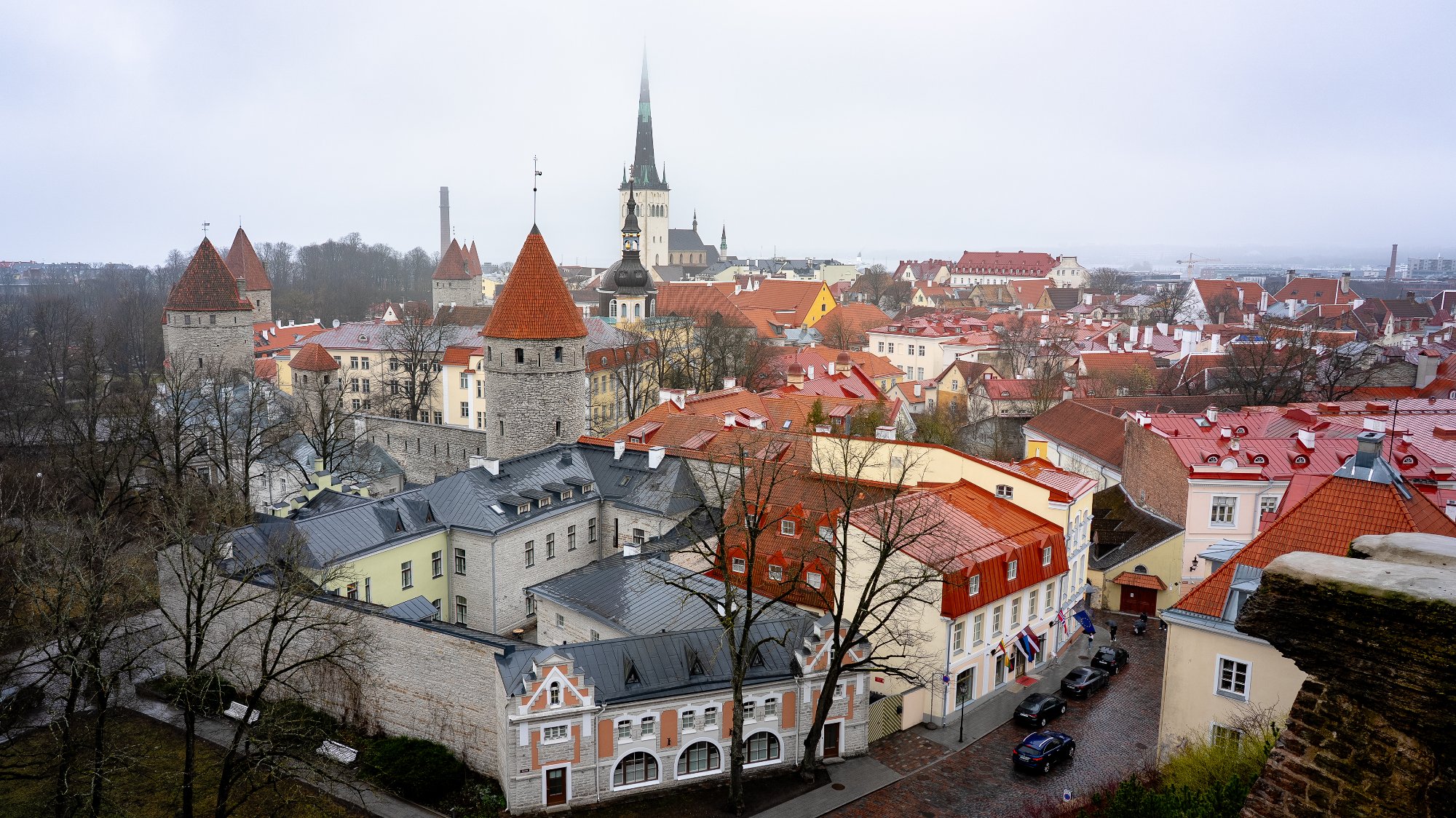
Kohtuotsa viewing platform in Tallinn Old Town. It was raining, but you could still see the whole roofline of the city from up there.
Getting the Car on the Ferry
A lot of people assume driving abroad involves some kind of complicated border process. With Tallink it is basically: queue, follow the cars, park, go upstairs.
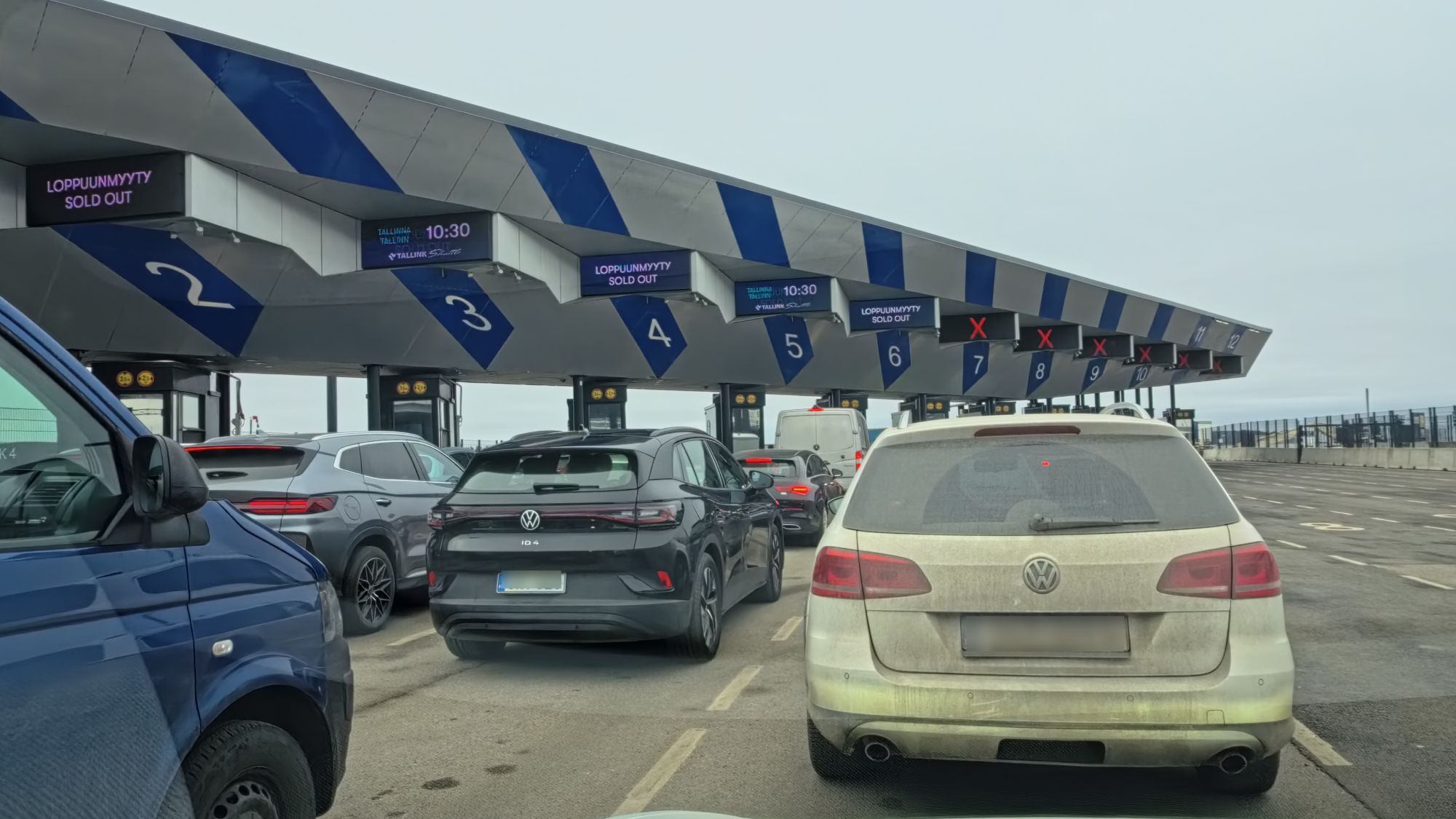
The Tallink check-in gate. Follow the flow and you end up on the ship.
The ferry has restaurants, a cafe, and plenty of seating. If the weather cooperates you can go out on deck. Two hours is manageable with kids — not so short that there is no time to settle, not so long that anyone starts to come apart.
Energy Discovery Centre: A Museum That Did Not Clean Up After Itself
First stop was the Energy Discovery Centre, converted from an early-20th-century power plant called Tallinna Elektrijaam.
Most museums do a lot of work to make themselves feel clean and legible. This one did not. The original pipes, gauges, and industrial structures are still there. It looks more like a place that used to run than a place that was turned into an exhibit.
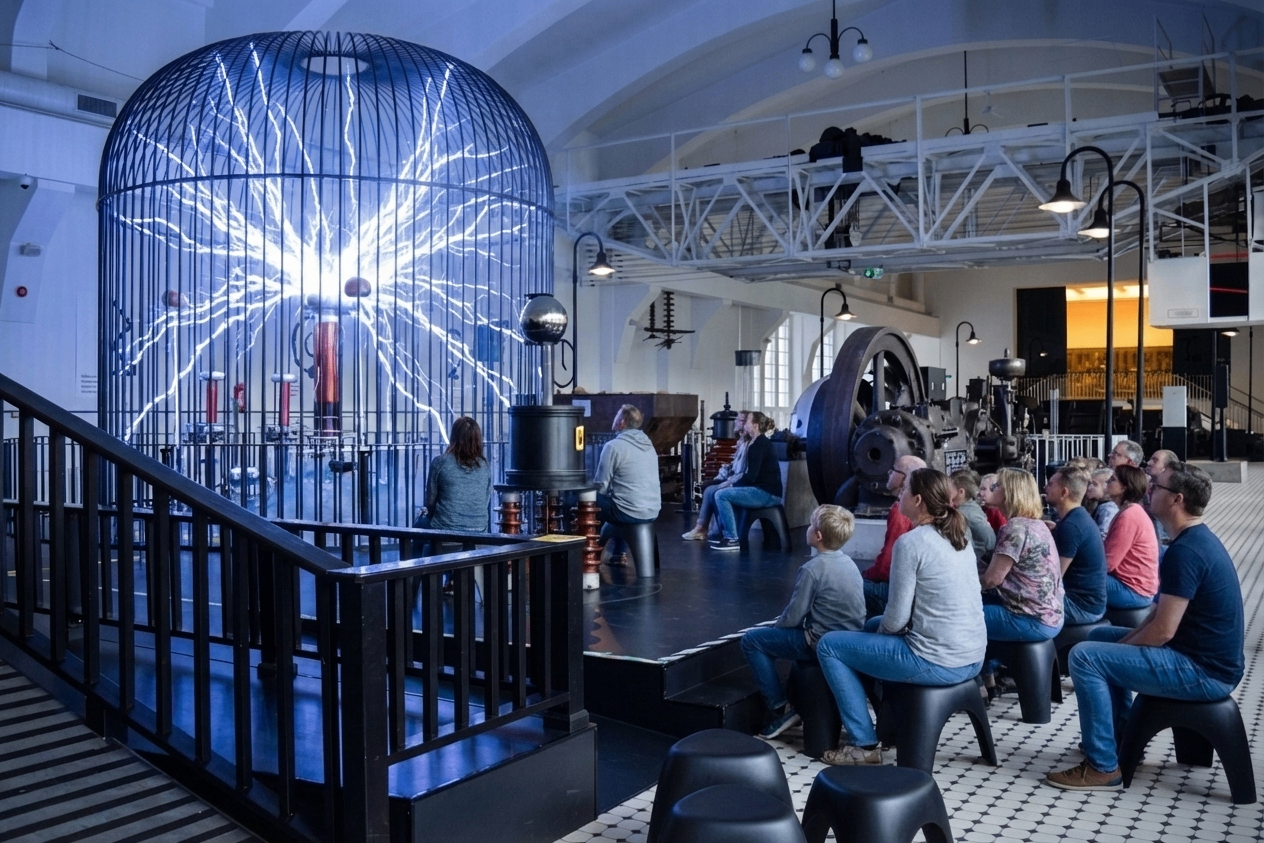
There were some Faraday cage demonstrations on the top floor. I did not get good photos, so I had AI fill one in.
There are hands-on installations too, which makes a difference with children. They can actually touch things instead of being asked to read panels at knee height.
After that, Old Town.
Tallinn Old Town does not require planning. You walk in and it is immediately obvious what kind of place it is — cobblestones, colored facades, churches, towers. Kohtuotsa viewing platform is worth the detour. Standing there you get a clear read of how the whole city is laid out below you.
Seaplane Harbour: A Submarine That Looks Like It Could Still Go to Sea
Second day we went to Seaplane Harbour Museum.
The museum is built around a submarine called Lembit, and you can walk straight inside.
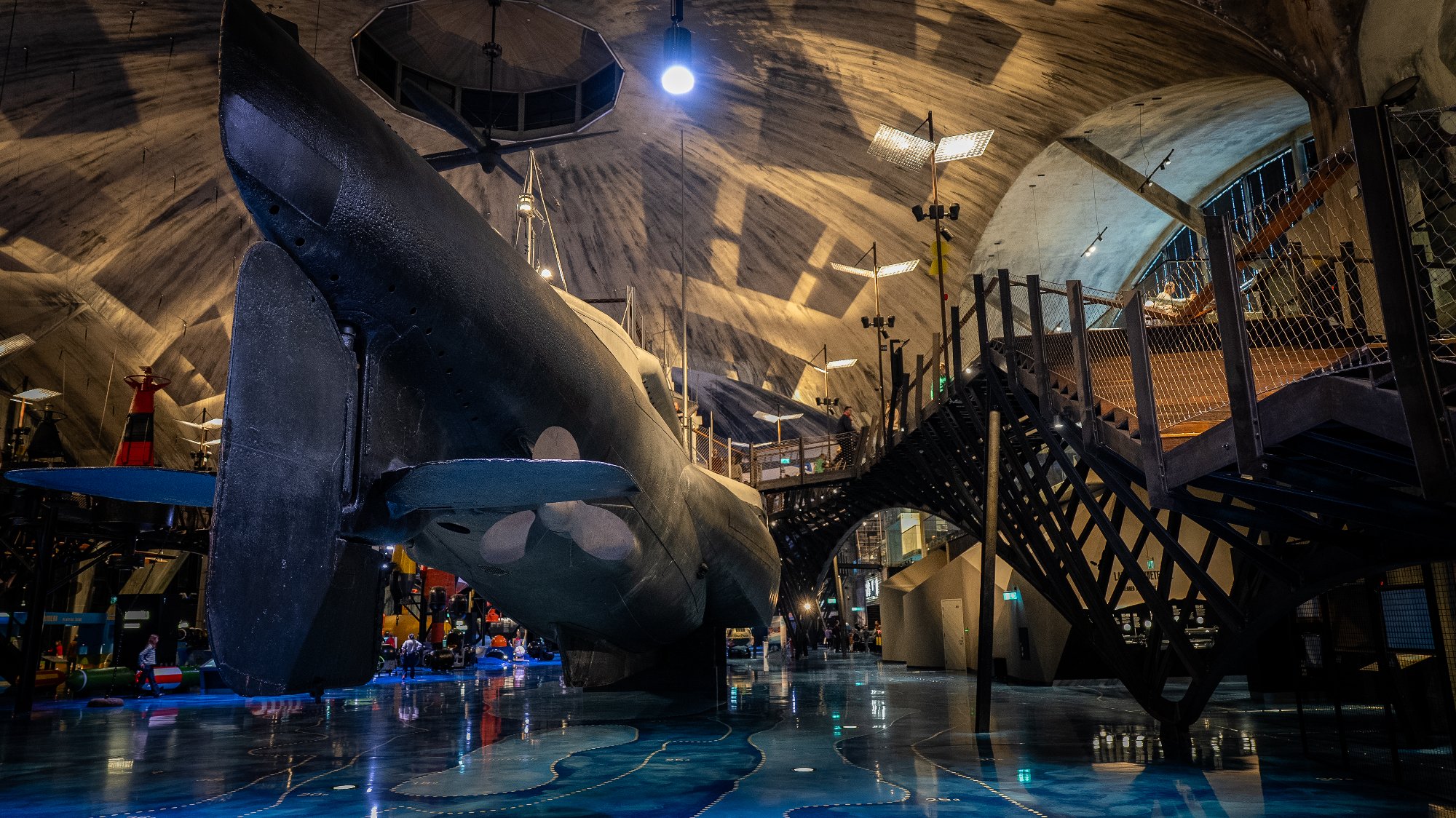
Everything inside is preserved the way it was when the submarine was decommissioned — instruments, pipes, control panels, all of it. At one point I caught myself thinking: with a bit of maintenance, this thing could probably go back out to sea.
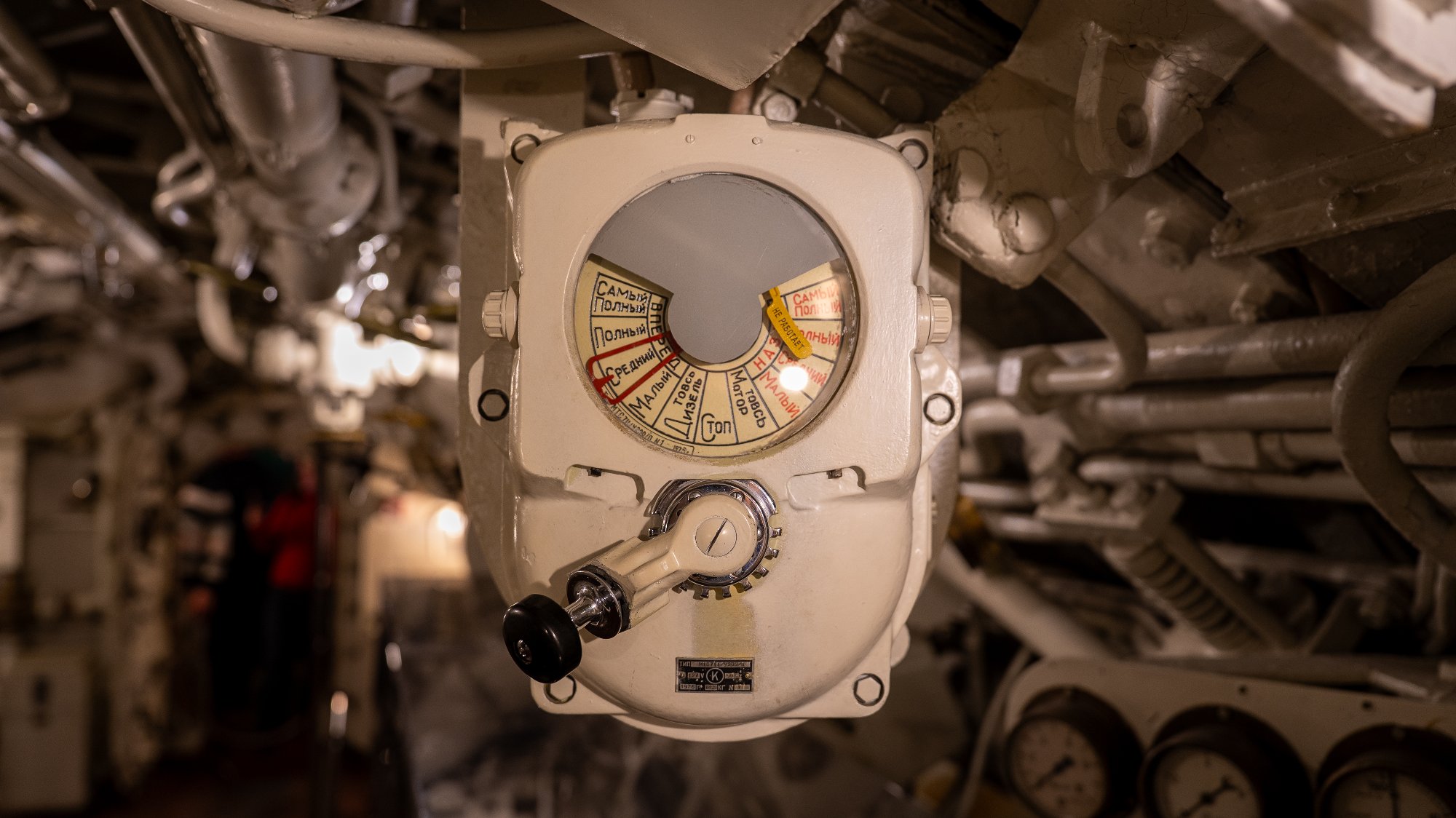
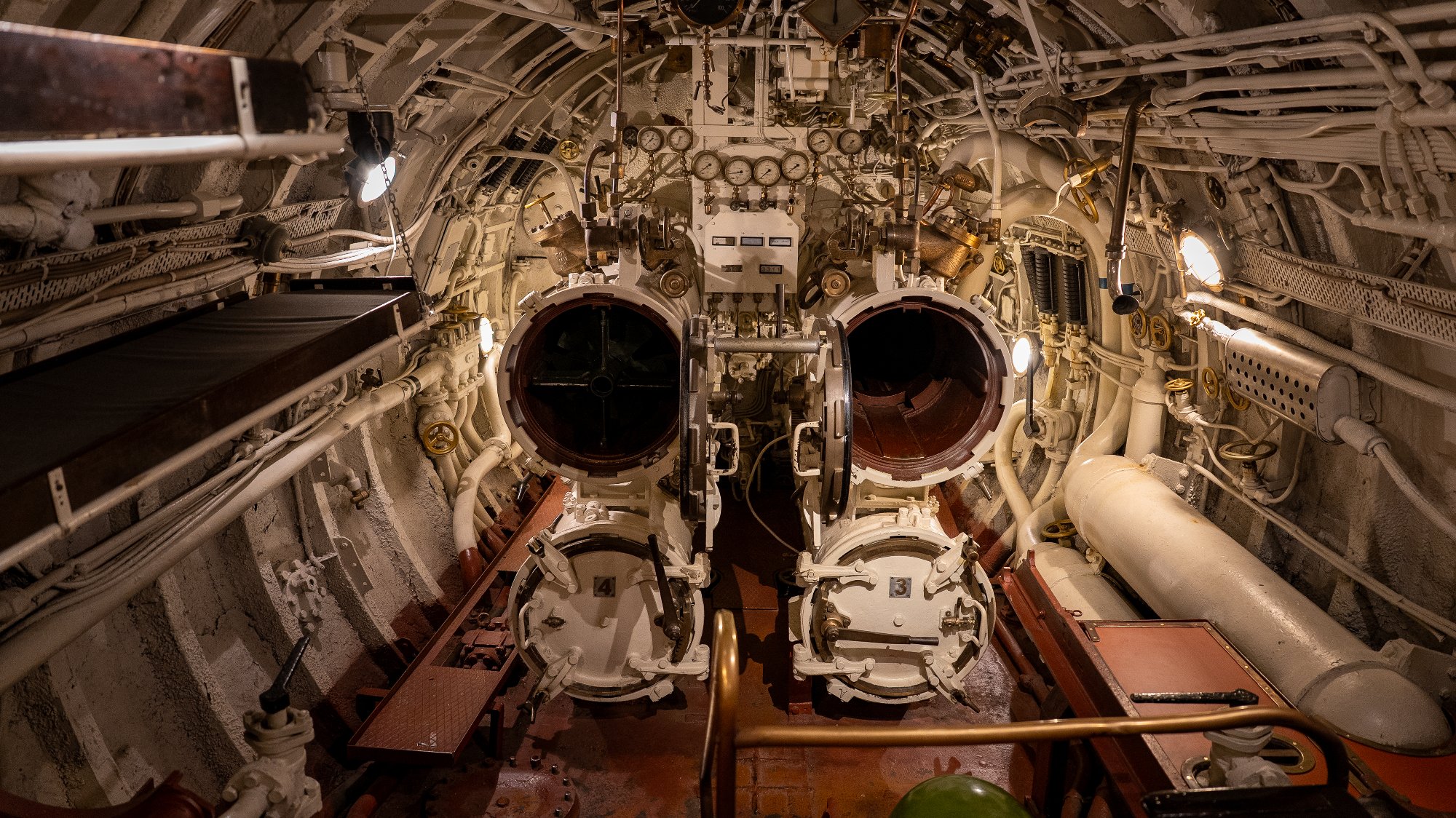
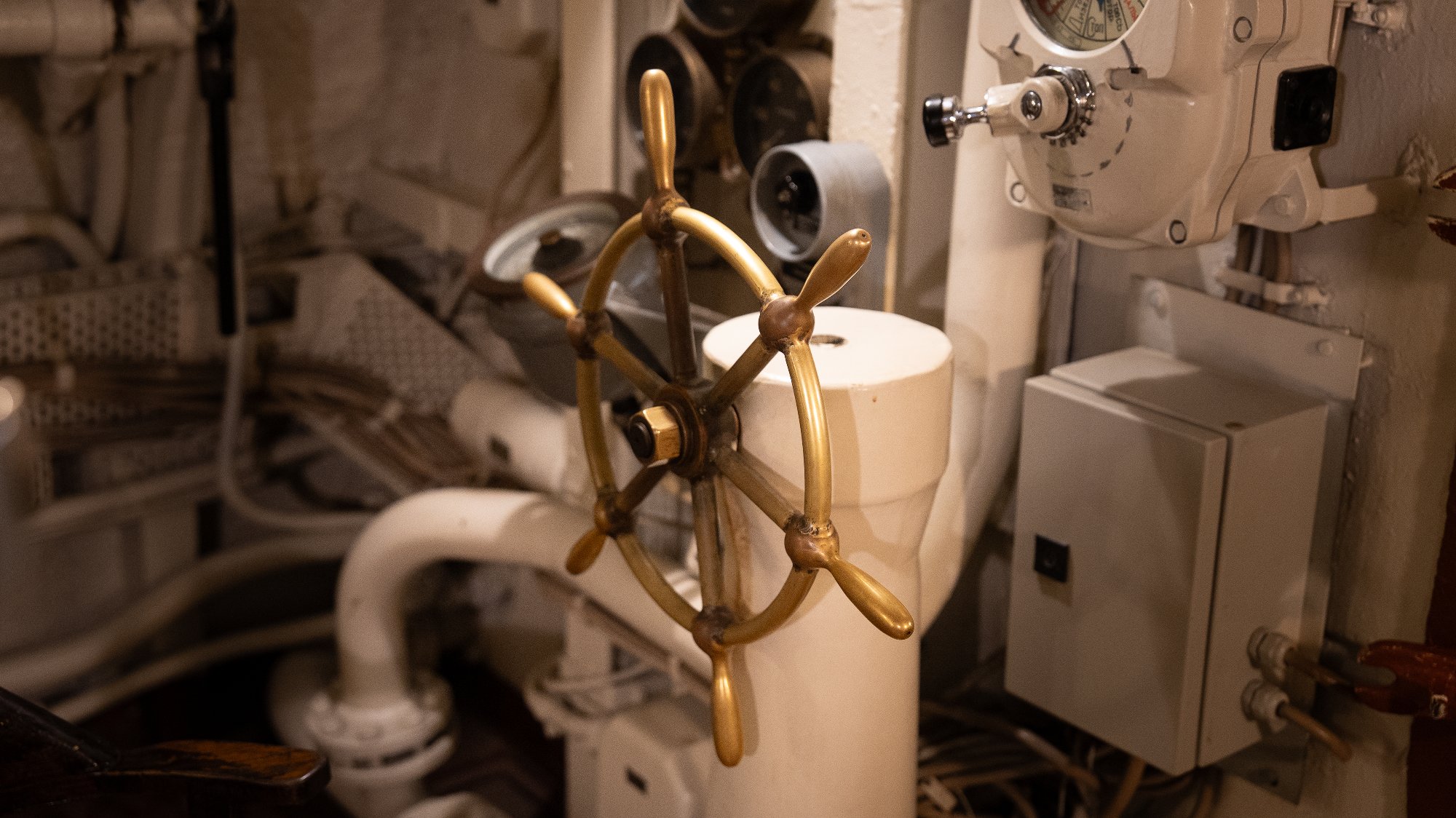
Inside the submarine. Dense enough to feel impressive even when you do not understand most of it.
Outside the museum sits an icebreaker called Suur Tõll, built in 1914. Black hull, red waterline, blunt bow. Nothing about the shape suggests speed. It was built to push through ice and that is what it looks like.
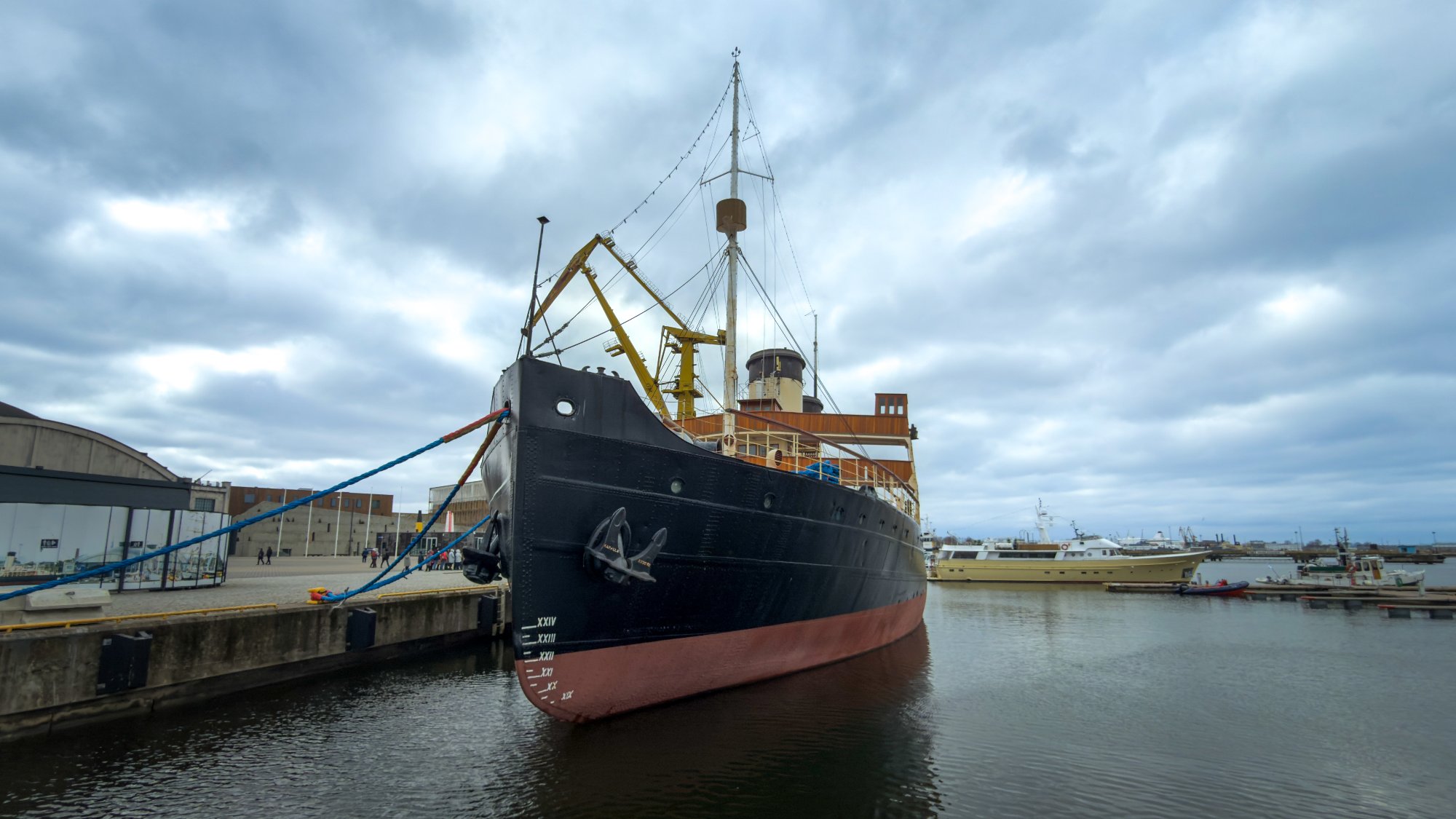
The bow tells you everything about what this ship was for.
Inside: multiple engine decks, pipes and valves packed in everywhere, all of it designed around a single question — how do you keep this thing moving through ice? You do not need to read anything. The structure explains itself. Kids tend to actually look at places like this, because there is something to see.
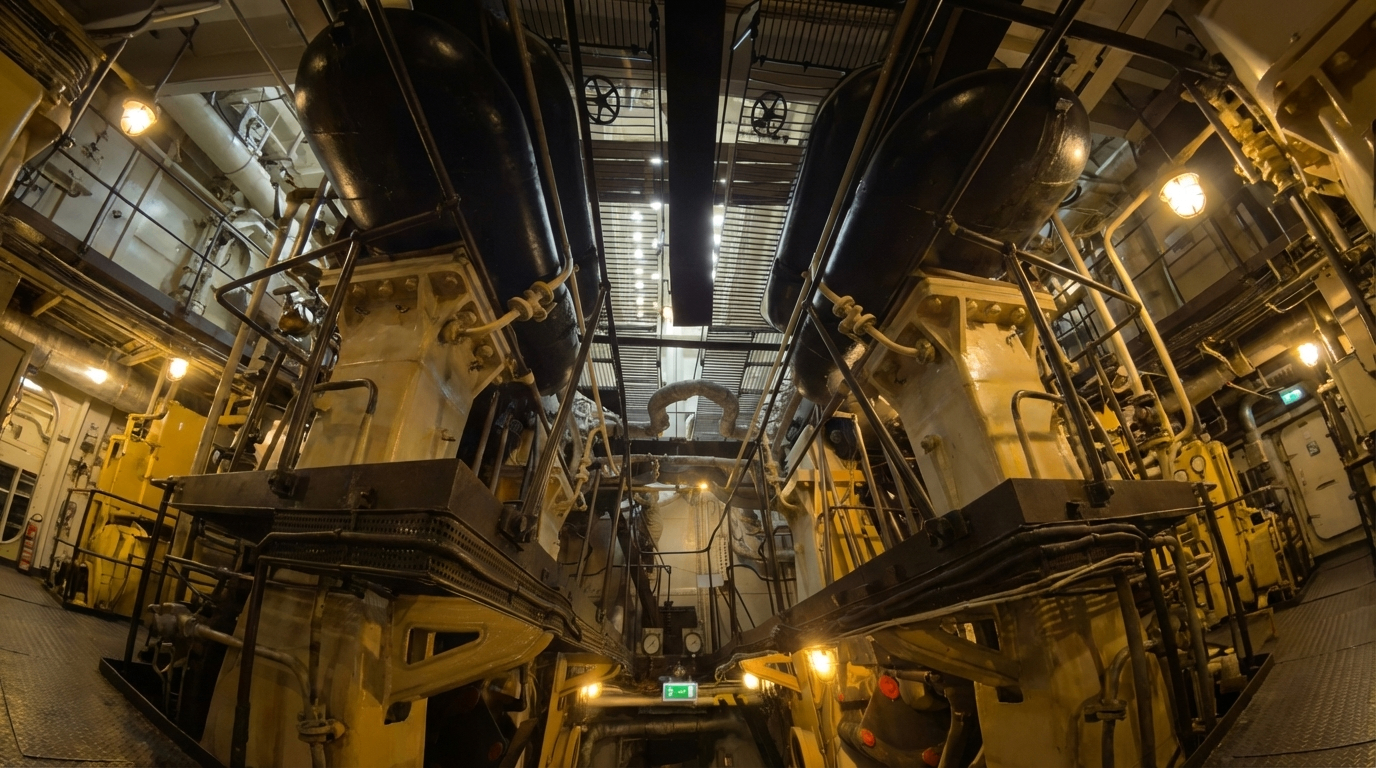
The engine room. Somehow it looks like a set from Resident Evil.
Tallinn vs Helsinki
The price difference is real and immediate.
Not "seems a bit cheaper" — the kind where you check the total and your brain registers: oh, this is what things cost here. Coffee, restaurants, everyday stuff. Everything just sits lighter.
Our last stop every trip is a supermarket run. The logic is simple: if we can offset some of the ferry cost, why not.
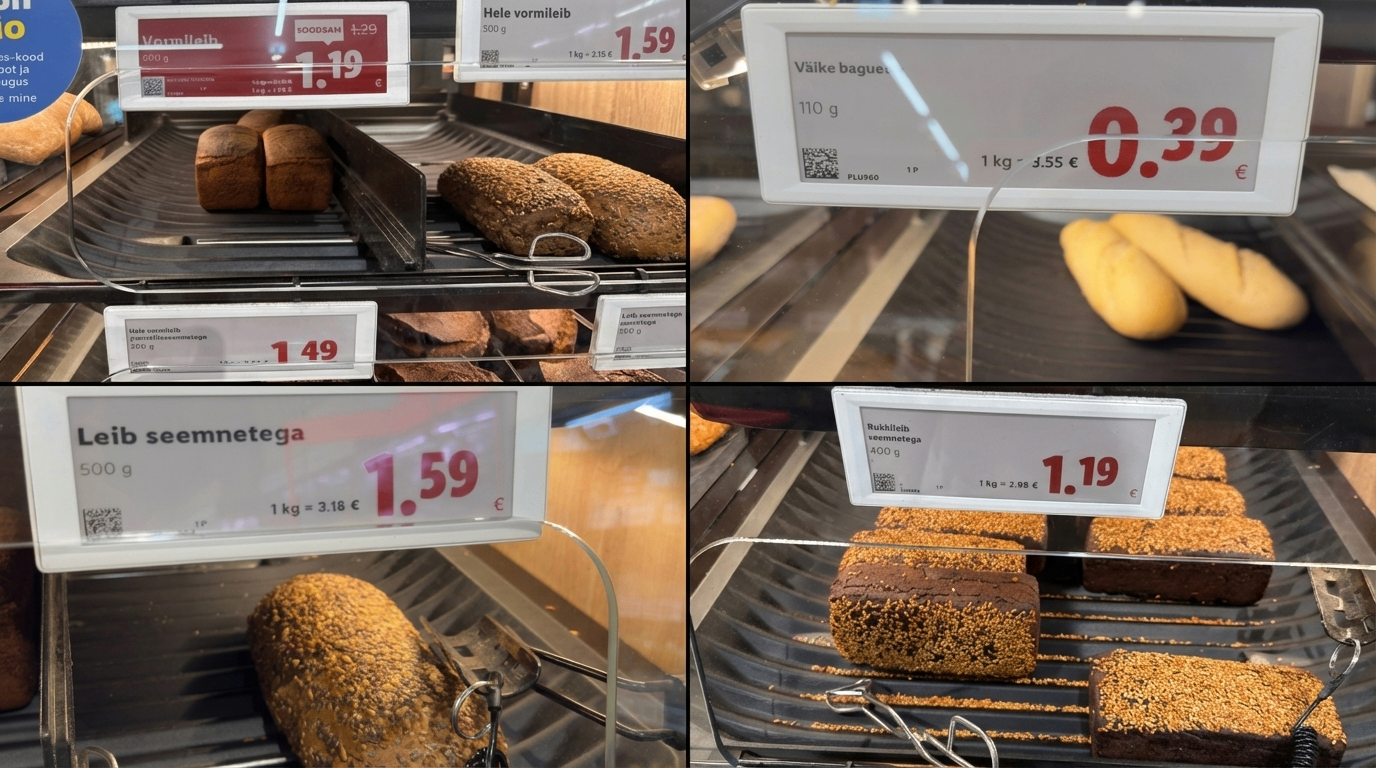
A loaf of bread like this costs just over 1 euro in Tallinn. In Finland you would pay 3–5.
The two cities also feel different in ways that are harder to explain with data. Helsinki is quieter, more restrained. Tallinn is brighter, louder, more commercially direct on the street. Someone online told me Helsinki is the more modern city. My experience is the opposite — Tallinn feels more alive.
Why We Will Go Again
It is not a destination that makes you gasp.
But that is kind of the point. You drive to the port, get on a ferry, and two hours later you are in a different country, on different streets, at a different pace. By the time you arrive you are already unwinding. It is affordable, it works with kids, and it does not require you to plan anything more than a week in advance.
We will probably go again. That is the whole reason.
Keep Reading
Writing about Finland, life, and code. The next post goes straight to your inbox, without the noise.
I had so many questions while writing this—what’s your take?